Reinventing the dancer: from stage to free movement
Lightweight, elegant, feminine. The ballerina flat is a footwear classic that has survived decades of trends.
Origin: from ballet to the streets
The ballerina shoe has its roots in classical ballet footwear. The first pointe ballet slippers, like those worn by Marie Taglioni in the 19th century, were designed to let dancers move lightly and fluidly across the stage.
But it wasn’t until the 20th century that this footwear turned into a daily fashion staple. French designer Rose Repetto adapted ballet slippers for everyday wear, and shortly after, Brigitte Bardot made them iconic in the film And God Created Woman (1956). Audrey Hepburn also immortalized them in Funny Face (1957), pairing them with slim trousers and minimalist silhouettes.
Decades later, in the 2000s, ballerinas had a comeback thanks to Kate Moss, who turned them into a symbol of "boho chic" style: worn with skinny jeans, oversized blazers, and vintage dresses. Ballerinas were thus cemented as a symbol of femininity, comfort, and timeless style.
But what’s the issue with the classic design?
Most conventional ballerinas have three major limitations:
- Narrow toe box that squeezes the toes
- Rigid sole that prevents the foot from flexing naturally while walking
- Heel (even if minimal) that alters posture and body alignment
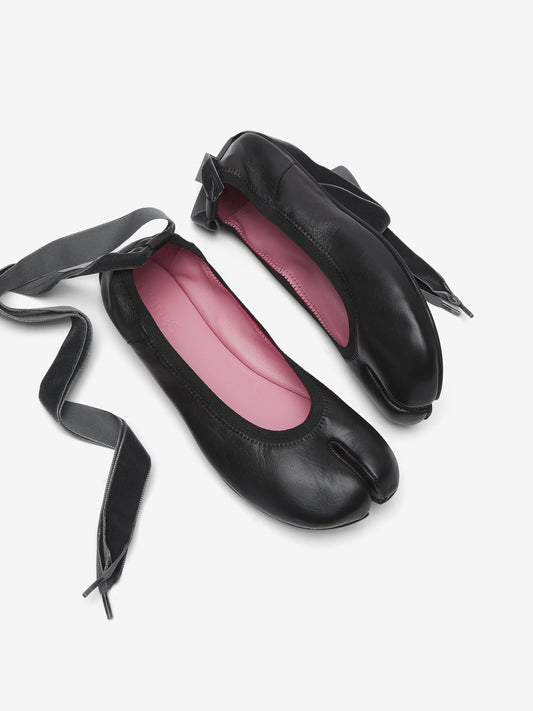
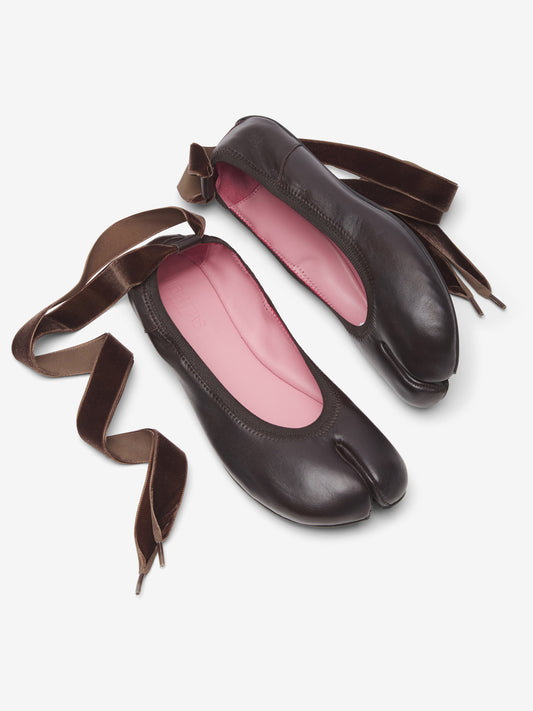
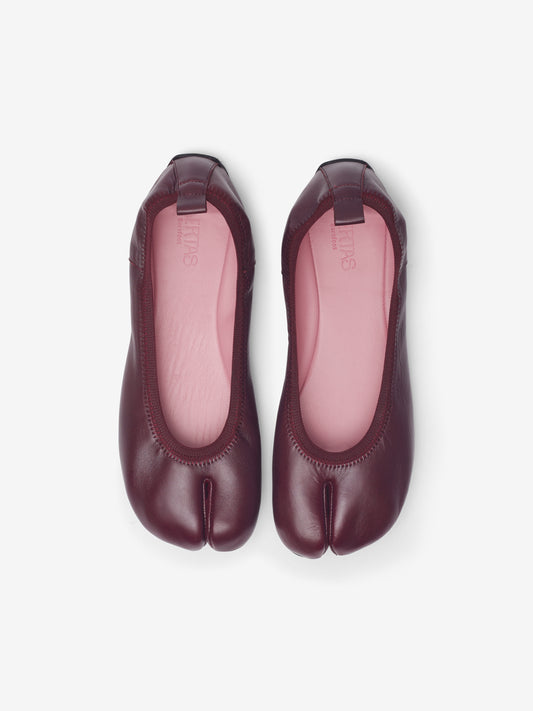
Our barefoot ballerina: a reinvented and revolutionary classic
At Libertas, we decided to redesign the ballerina from a new perspective: that of barefoot. In other words, a shoe that respects the natural anatomy of the foot and allows for free movement—just like being barefoot.
Our three pillars:
- More space for the toes: wide toe box that allows the foot to spread out and support itself stably
- Thin, flexible sole: to feel the ground and follow the foot’s movement
- Zero drop: no heel or wedge, promoting aligned and natural posture

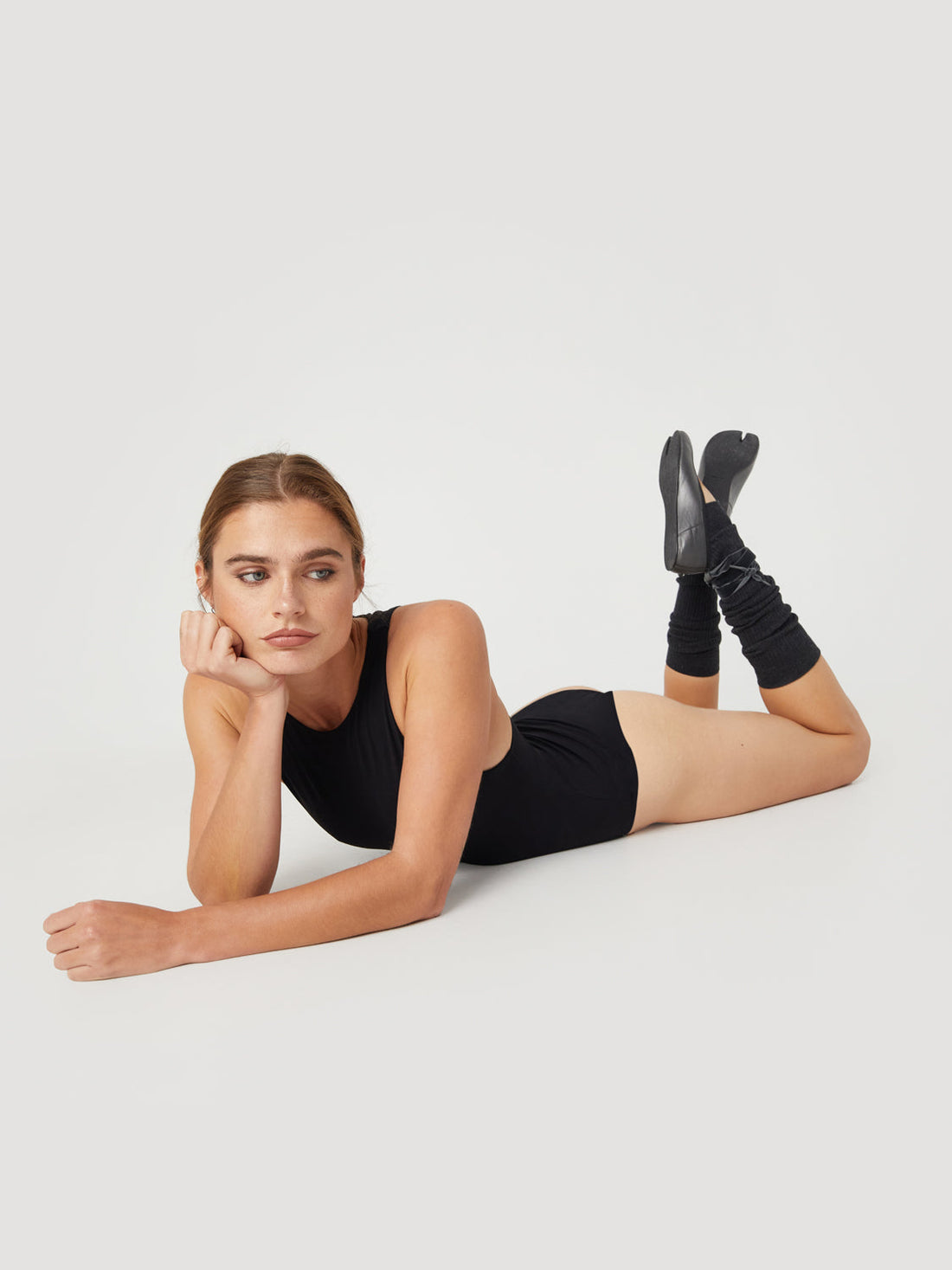
The result is a ballerina that keeps its timeless aesthetic while working with your body, not against it. A piece that adapts to you, instead of forcing you to adapt to it.
Because yes, you can dress elegantly and at the same time take care of your step, your posture, and your overall health.